
reviso doesn’t shout. It doesn’t need to. Walk along the Buranelli canal at dusk, when the water turns a deep teal and the weeping willows trail their branches like uncombed hair, and you feel the city’s confidence in its own understatement. This is a place that gave us prosecco, radicchio, and the phrase “tiramisù” — though locals will argue the dessert was invented here, not in Siena. One bite of the coffee-soaked savoiardi at Pasticceria Nardini。and you’ll stop arguing.The historic center is a maze of arcaded streets and frescoed facades that most tourists skip on their way to Venice。forty minutes east. Their loss. The Piazza dei Signori, anchored by the Palazzo dei Trecento, feels like a living room for the city — old men debating calcio, students licking gelato, a violinist who shows up on Thursdays. I once watched a bride and groom emerge from the Duomo just as a school choir started singing under the porticoes. No one coordinated it. That’s Treviso: small moments that land perfectly. The fish market on the island of Pescheria, with its marble stalls and a bronze wheel that once measured the catch, is the oldest in Italy — and still sells eel from the Sile river every morning.
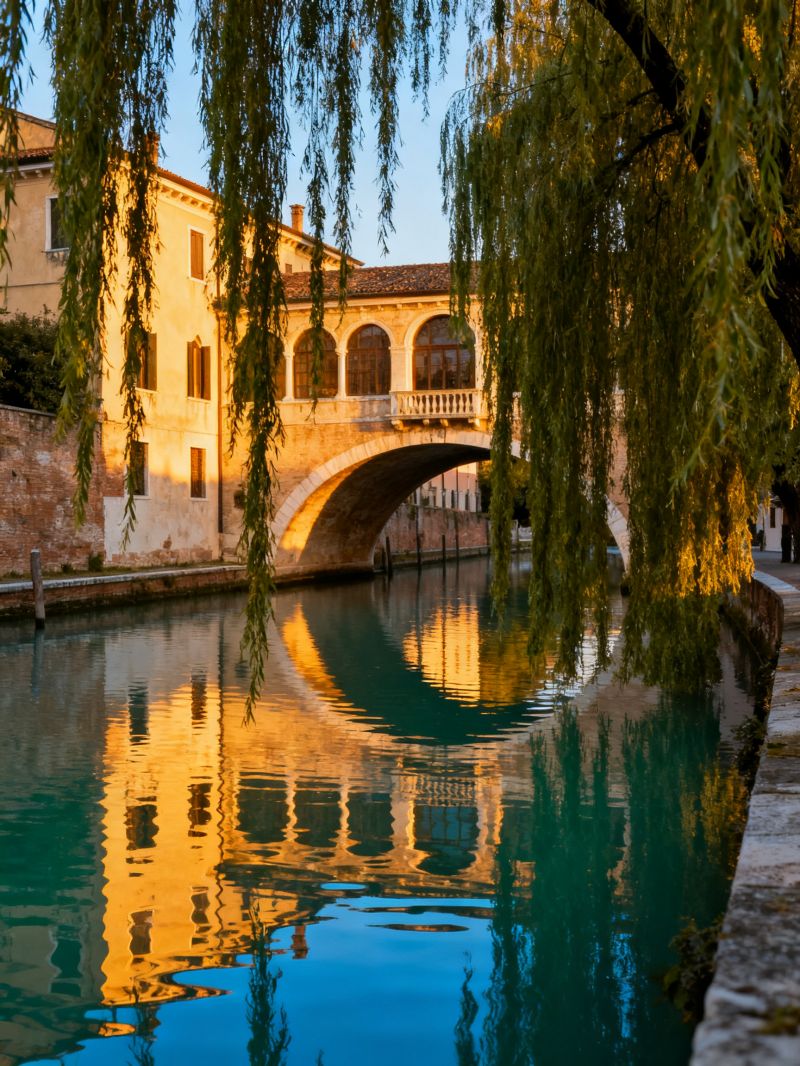
Treviso’s geography explains its character. Two rivers, the Sile and the Botteniga。braid through the city, powering old mills and watering the market gardens that supply its restaurants. The walls, built by the Venetians in the 16th century, now frame a park where runners loop past the Porta San Tomaso. I rented a bike from a shop near the station and followed the river path north;within twenty minutes I was in farmland, watching herons stab at rice paddies that grow the grain for risotto. The city’s prosperity is quiet — Benetton’s headquarters are here, but you’d never guess it from the center’s pace.Food is where Treviso gets loud, in the best way. A plate of risotto with radicchio tardivo — the long, bitter-sweet winter chicory — arrives purple and glistening, finished with just-crumbled sausage. The local tiramisù is lighter than the versions abroad, more egg than sugar. And prosecco?The hills of Valdobbiadene are a short drive north, where the steep, grassy vineyards have UNESCO status. On a cool October afternoon。I sat in a cantina in San Pietro di Feletto, tasting a dry, mineral-laced sparkling wine that cost four euros a glass. The winemaker shrugged when I praised it. “It’s just what we drink” he said. That’s Treviso in a sentence.
The honest caveat: Treviso is not a checklist city. There’s no blockbuster museum。no iconic monument that demands a selfie. Its pleasures are incremental — a fresco by Tomaso da Modena in the church of San Nicolò, the quiet of the Chiostro degli Eremitani, the click of a mechanical clock in the Palazzo del Podestà. Stay two nights, walk without a map, and let the arcades lead you. You’ll leave wondering why more people don’t stay longer. I did.